For many individuals looking to move to Singapore on a permanent basis, there are certain factors they should know. A citizenship application in Singapore involves applying to become a Singapore citizen after meeting the country’s legal and residency requirements. Permanent Residency (PR), on the other hand, allows foreign nationals to live and work in Singapore on a long-term basis without becoming citizens.
Understanding the distinction between Singapore PR vs citizenship is important for individuals planning their long-term future in Singapore. Both statuses provide stability and access to public systems, but they differ in areas such as political rights, travel privileges, family benefits, housing eligibility, and long-term obligations.
For many applicants, the decision between remaining a Permanent Resident or proceeding with a PR to Singapore citizen conversion depends on personal circumstances, career goals, family considerations, and future plans in Singapore.
Understanding Permanent Residency and Citizenship in Singapore
Permanent Residency and citizenship are two separate immigration statuses governed by different legal rights and responsibilities. Both allow long-term residence in Singapore, but citizenship represents full membership in the country.
What Is Singapore Permanent Residency?
Singapore Permanent Residency allows eligible foreigners to reside in Singapore on a long-term basis without holding an Employment Pass or work visa. PR holders may work, study, and access selected public benefits while retaining their original nationality.
PR status is commonly granted under schemes such as:
- Professionals, Technical Personnel and Skilled Workers (PTS) Scheme
- Global Investor Programme (GIP)
- Foreign Artistic Talent Scheme
- Family sponsorship pathways
Benefits for permanent residency in Singapore include long-term employment flexibility, access to CPF contributions, and eligibility for certain housing options.
What Is Singapore Citizenship?
Singapore citizenship grants full legal nationality under Singapore law. Citizens receive constitutional rights, a Singapore passport, and access to broader social and national benefits.
Singapore citizenship for permanent residents is typically available after fulfilling residency duration requirements and demonstrating integration into Singapore society. Applicants are assessed on factors such as employment stability, family ties, economic contribution, and duration of residence.
Singapore does not generally allow dual citizenship for adults. Most applicants are required to renounce their previous nationality upon becoming Singapore citizens.
Singapore PR vs Citizenship: Core Differences
The difference between PR and citizen status in Singapore affects several practical aspects of daily life. These include political rights, public housing access, healthcare subsidies, education benefits, and national obligations.
The table below outlines the major distinctions.
| Area | Permanent Resident (PR) | Singapore Citizen |
| Nationality | Retains foreign nationality | Holds Singapore nationality |
| Voting Rights | Not allowed | Eligible to vote |
| Passport | Uses foreign passport | Eligible for Singapore passport |
| Public Housing Access | Restricted eligibility | Wider eligibility and grants |
| CPF Contributions | Mandatory for employed PRs | Mandatory |
| Government Subsidies | Partial access | Full access in many schemes |
| National Service | Applicable in some cases | Mandatory for eligible males |
| Re-entry Requirements | Requires valid Re-Entry Permit | No re-entry permit needed |
| Political Participation | Limited | Full civic participation |
Understanding these differences helps applicants assess whether citizenship aligns with their long-term goals in Singapore.
Rights and Restrictions Comparison

The rights attached to citizenship are broader than those available to Permanent Residents. However, PR status still provides substantial access to employment and public systems.
Voting and Political Rights
Singapore citizens are eligible to participate in national elections. This includes voting rights and eligibility to stand for certain public offices subject to legal requirements.
Permanent Residents do not have political voting rights. PR holders may reside and work in Singapore indefinitely, but they are not considered citizens under Singapore constitutional law.
For applicants considering Singapore citizenship eligibility, civic participation is often viewed as a key distinction between the two statuses.
Employment Flexibility and Stability
Both PRs and citizens may work in Singapore without requiring standard work passes. However, citizens generally have stronger employment stability because their status is not tied to immigration permits or renewal conditions.
PR holders must maintain a valid Re-Entry Permit (REP) to preserve their PR status when travelling abroad. REP renewals are assessed based on factors such as employment and residency contributions.
Citizens do not require REP renewals and may return to Singapore freely using their Singapore passport.
Housing Eligibility
Housing eligibility differs significantly between PRs and citizens. Singapore citizens generally have broader access to subsidised public housing and government housing grants.
Permanent Residents may purchase certain resale HDB flats after meeting eligibility conditions, but restrictions apply. PR households also face different stamp duties and grant limitations compared to citizens.
For many families, housing access is a major factor when evaluating the benefits of Singapore citizenship.
Healthcare and Education Benefits
Singapore citizens usually receive higher government subsidies for healthcare and education compared to PR holders.
Citizens may benefit from:
- Lower subsidised healthcare rates
- Greater support under national healthcare schemes
- Priority and lower fees in selected education pathways
- Enhanced family-related support programmes
PR holders may still access healthcare and education systems but often at different subsidy levels.
CPF, Tax, and Financial Obligations
Singapore’s CPF and tax systems apply differently depending on residency and citizenship status. Applicants should understand how obligations change after citizenship approval.
CPF Contributions
The Central Provident Fund (CPF) is Singapore’s mandatory social security savings scheme.
Singapore citizens working locally must contribute CPF alongside their employers. PR holders are also required to contribute CPF, although contribution rates may vary during the initial years after obtaining PR status.
CPF savings support:
- Retirement planning
- Healthcare financing
- Housing purchases
- Approved investments
CPF obligations continue regardless of whether an individual is a PR or citizen, provided employment conditions apply.
Tax Obligations
Singapore’s personal income tax system is based primarily on tax residency rather than citizenship status. Both PRs and citizens who are tax residents generally follow the same income tax framework.
However, citizenship may affect eligibility for selected government support measures and schemes linked to national policies.
Applicants comparing Singapore PR vs citizenship should note that taxation differences are usually less significant than differences in housing, travel, and civic rights.
Travel Document Differences
Travel rights and passport access are among the most visible distinctions between PRs and Singapore citizens.
Passport and International Mobility
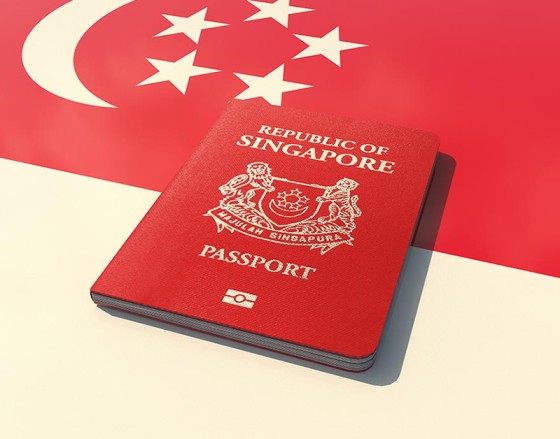
Singapore citizens are eligible for a Singapore passport, which is widely recognised for strong global travel access.
Permanent Residents continue using their foreign passports. Their ability to travel depends on the visa arrangements associated with their original nationality.
For some applicants, international mobility is a key consideration in the Singapore citizenship application process.
Re-Entry Permit Requirements
PR holders must maintain a valid Re-Entry Permit when travelling outside Singapore. Without a valid REP, PR status may be lost upon extended absence from Singapore.
Citizens are not subject to REP requirements because citizenship is permanent unless formally renounced or revoked under exceptional legal circumstances.
This distinction is important for individuals who frequently travel or spend time overseas for work or family reasons.
Long-Term Security and National Obligations
Citizenship provides stronger long-term residency certainty, but it also introduces additional national obligations.
Stability of Residency Status
Singapore citizenship provides permanent nationality status and unrestricted right of residence.
Permanent Residency may continue indefinitely if conditions are met, but it remains subject to immigration policies and REP renewals. PR status may also be affected if residency obligations are not maintained.
Applicants seeking long-term settlement often evaluate citizenship for its greater legal certainty and continuity.
National Service Obligations
National Service (NS) is a significant consideration for male applicants and families with sons.
Male Singapore citizens and second-generation PR males are generally required to serve National Service under Singapore law. Obligations typically include:
- Full-time National Service
- Operationally Ready National Service duties after active service
- Periodic reservist commitments
Families considering Singapore citizenship obligations and benefits should carefully assess NS implications before proceeding with applications.
Family and Future Generations
Citizenship may influence future opportunities for children and family members in areas such as education, housing, and residency stability.
For some families, transitioning from PR to citizenship supports long-term integration and simplifies administrative processes linked to nationality and immigration status.
When to Consider Upgrading From PR to Citizenship
The decision to proceed with a citizenship application depends on individual circumstances rather than a fixed timeline.
Applicants may consider citizenship when:
- They intend to settle permanently in Singapore
- Their family has established long-term roots locally
- They want greater access to public benefits
- They prefer stronger residency security
- They wish to participate fully in civic life
Individuals who frequently relocate internationally or intend to retain another nationality may decide to remain Permanent Residents instead.
The Singapore citizenship application process involves formal evaluation by the Immigration & Checkpoints Authority (ICA). Meeting minimum eligibility requirements does not guarantee approval.
Decision-Making Guide for Applicants
Choosing between PR status and citizenship requires balancing practical, legal, and personal considerations.
Questions to Consider Before Applying
Applicants should evaluate how citizenship aligns with their future plans. The following questions may help guide the decision-making process:
- Is Singapore intended to be a permanent long-term home?
- Are broader housing and family benefits important?
- Is retaining another nationality necessary?
- Will National Service obligations affect family decisions?
- Is greater travel flexibility a priority?
These considerations differ for each applicant based on career plans, family structure, and residency goals.
Situations Where PR Status May Be Suitable
Permanent Residency may remain appropriate for individuals who:
- Require flexibility to relocate internationally
- Need to retain another nationality
- Prefer fewer civic obligations
- Work in Singapore on a long-term but non-permanent basis
PR status still provides substantial stability compared to temporary work pass arrangements.
Situations Where Citizenship May Be More Appropriate
Citizenship may be suitable for individuals who:
- Plan to remain permanently in Singapore
- Have children growing up locally
- Want expanded public benefits
- Seek long-term legal certainty
- Intend to integrate fully into Singapore society
The difference between PR and citizen Singapore status becomes more significant as long-term family and financial planning evolve.
Frequently Asked Questions (FAQs)
How long must a PR stay in Singapore before applying for citizenship?
Most Permanent Residents apply for citizenship after residing in Singapore for at least two years. However, meeting the minimum residency period does not guarantee approval. ICA evaluates factors such as employment history, economic contribution, family ties, and integration into Singapore society.
Can Singapore citizens keep dual citizenship?
Singapore generally does not allow dual citizenship for adults. Applicants approved for Singapore citizenship are typically required to renounce their previous nationality. Children with dual nationality may also need to make citizenship decisions upon reaching adulthood.
Is it mandatory for PR holders to convert to citizenship?
No. Permanent Residents may continue holding PR status indefinitely if they meet renewal and residency conditions. Citizenship is optional and depends on individual long-term plans and eligibility.
Does citizenship guarantee better access to public housing?
Singapore citizens generally have broader eligibility for HDB grants and housing schemes compared to PR holders. However, eligibility still depends on factors such as household composition, income ceilings, and property ownership rules.
Are male children of PR holders required to serve National Service?
Second-generation male PRs are generally liable for National Service obligations under Singapore law. Families should understand these obligations before applying for or maintaining PR status.
What documents are usually needed for a citizenship application?
The Singapore citizenship application process commonly requires identification documents, employment records, income statements, educational certificates, and family-related records. Additional supporting documents may be requested depending on the applicant’s circumstances.
Looking Ahead: Choosing the Right Long-Term Status
Permanent Residency and citizenship both provide pathways for long-term residence in Singapore, but they serve different purposes. PR status offers flexibility and stability without changing nationality, while citizenship provides broader rights, stronger legal permanence, and greater integration into Singapore society.
Understanding Singapore citizenship requirements, long-term obligations, and practical benefits helps applicants make informed decisions based on family, career, and future residency plans.
Contact Majestic Immigration Today
For individuals seeking guidance on citizenship application requirements, eligibility assessments, or the Singapore citizenship application process, contact Majestic Immigration for further information.