Singapore citizenship involves many factors that applicants must be aware of. Becoming a Singapore citizen changes a person’s legal status, rights, and long-term position in Singapore. Citizenship provides access to national benefits, broader housing and education opportunities, stronger travel privileges, and participation in Singapore’s civic framework. It also introduces responsibilities such as National Service obligations for eligible males, civic participation, and compliance with local laws and tax requirements.
For many individuals transitioning from permanent resident to Singapore citizen, the change represents both a practical and personal milestone. Citizenship may improve long-term stability for families living in Singapore and provide greater integration into local society. Understanding what happens after approval is important because citizenship affects areas such as housing eligibility, healthcare access, family planning, employment flexibility, and future opportunities for children.
The Singapore citizenship approval process is managed by the Immigration & Checkpoints Authority (ICA). After approval, applicants are typically required to complete formal registration procedures before receiving their citizenship documents and Singapore passport.
What Changes After Singapore Citizenship Approval?
Singapore citizenship grants full legal membership within the country. After citizenship approval, individuals are recognised as Singapore citizens rather than foreign nationals or permanent residents. This change affects entitlement to government schemes, legal obligations, and long-term residency rights.
Several practical changes usually take place after citizenship approval. These changes may include:
- Eligibility to apply for a Singapore passport
- Access to broader public housing schemes
- Participation in national elections
- Access to citizen-specific healthcare and education subsidies
- Eligibility for certain grants and support schemes
For families, citizenship can also influence the future opportunities available to children. In some cases for child citizenship eligibility, Singapore considerations may affect school access, healthcare subsidies, and future employment flexibility within the country.
The transition from permanent resident to Singapore citizen may also involve administrative updates. Citizens commonly update identification records, tax records, banking information, employment records, and immigration status documentation after approval.
Understanding the Singapore Passport Benefits
A Singapore passport is recognised internationally for its strong travel access and mobility advantages. Singapore citizens generally enjoy visa-free or visa-on-arrival access to many countries worldwide.
Singapore passport benefits commonly include:
| Benefit | Explanation |
| Visa-free travel access | Easier entry into many countries without advance visa applications |
| International mobility | Simplified travel procedures for business, education, and tourism |
| Consular support | Access to assistance from Singapore diplomatic missions overseas |
| Strong international reputation | Singapore passports are widely recognised globally |
The practical value of these travel privileges depends on individual circumstances, but they can simplify international travel for work, family, and leisure purposes.
Singapore citizens travelling overseas are still expected to comply with immigration requirements imposed by destination countries. Visa-free access does not remove all travel obligations, and requirements may change over time.
Housing Benefits for Singapore Citizens
Singapore citizens receive broader access to public housing schemes compared to permanent residents and foreigners. Housing policies in Singapore prioritise citizens in many housing-related matters.
Housing benefits for Singapore citizens may include:
- Eligibility for a wider range of Housing & Development Board (HDB) flats
- Access to certain housing grants
- Better eligibility conditions for family housing schemes
- Priority under selected housing allocation programmes
Eligibility requirements vary depending on marital status, family structure, and housing scheme type. Citizens generally benefit from fewer restrictions and more available options compared to non-citizens.
For families planning long-term residence in Singapore, housing access is often considered one of the major benefits of Singapore citizenship. Housing affordability and accessibility can influence family planning, financial stability, and long-term settlement decisions.
Education Advantages for Singapore Citizens

Singapore citizens typically receive priority and subsidised access within the national education system. Education policies are designed to support citizens through various stages of schooling.
Education-related benefits may include:
- Lower school fees at government schools
- Priority consideration in selected admissions exercises
- Eligibility for certain scholarships and bursaries
- Access to government-supported educational programmes
Citizenship status may affect admission priority in some educational institutions, particularly during highly competitive enrolment periods. Financial support schemes may also differ depending on citizenship status.
For parents considering how to become a Singapore citizen, educational access is often an important long-term consideration. Families may evaluate citizenship based on future educational opportunities available to their children within Singapore’s system.
Healthcare Access and Medical Support
Singapore citizens generally receive broader healthcare subsidies compared to permanent residents and foreigners. These subsidies apply across selected public healthcare services and national healthcare schemes.
Healthcare-related support may include:
- Subsidised treatment at public healthcare institutions
- Access to national healthcare financing schemes
- Lower healthcare costs in certain medical services
- Eligibility for selected government healthcare assistance programmes
Healthcare policies may evolve over time, and subsidy levels differ depending on income, treatment category, and healthcare institution type.
Citizens are also expected to participate responsibly in Singapore’s healthcare framework. This includes maintaining accurate records, complying with healthcare regulations, and contributing to compulsory schemes where applicable.
CPF and Tax Obligations Singapore Citizen
Singapore citizens are generally required to participate fully in the Central Provident Fund (CPF) system. CPF is Singapore’s national social security savings framework used for retirement, healthcare, and housing purposes.
CPF and tax obligations Singapore citizen requirements may include:
| Obligation | Purpose |
| CPF contributions | Retirement, healthcare, and housing savings |
| Income tax compliance | Reporting taxable income to authorities |
| Financial declarations | Updating employment and financial records accurately |
| Regulatory compliance | Following Singapore’s financial and employment laws |
CPF contributions are typically shared between employer and employee for eligible employment arrangements. Contribution rates and rules depend on age, income level, and employment type.
Singapore operates a territorial tax system. Citizens working or residing in Singapore are expected to comply with Inland Revenue Authority of Singapore (IRAS) regulations. Tax obligations vary depending on income source and residency classification.
Understanding these obligations is important because citizenship involves participation in Singapore’s broader economic and social systems.
Singapore Citizen Responsibilities and Civic Duties
Singapore citizenship involves responsibilities alongside benefits. Citizens are expected to contribute to Singapore’s social stability, legal framework, and national development.
Singapore citizen responsibilities commonly include:
- Following Singapore laws and regulations
- Participating responsibly in civic life
- Respecting multicultural and social harmony principles
- Contributing to the national economy and society
Singapore emphasises civic responsibility and social cohesion. Citizens are expected to support national stability through responsible conduct and active participation in society.
Citizens may also gain voting rights after meeting eligibility conditions. Voting participation forms part of Singapore’s democratic framework and civic system.
The responsibilities attached to citizenship are ongoing and continue throughout a citizen’s life in Singapore.
National Service Obligations for Singapore Citizens
National Service obligations regarding Singapore citizen requirements apply primarily to eligible male citizens and second-generation permanent residents. National Service is a mandatory national duty involving military, police, or civil defence service.
Eligible males are generally required to:
- Register for National Service at the required age
- Complete full-time National Service
- Fulfil reservist obligations after active service
National Service obligations are an important part of Singapore’s national security framework. Families considering citizenship applications should understand these responsibilities before proceeding.
National Service rules are strictly enforced, and non-compliance may lead to legal consequences. Individuals with questions regarding eligibility or deferment usually refer to official government guidance for updated requirements.
For some families, National Service considerations form part of long-term citizenship planning, especially when evaluating citizenship applications for sons.
Emotional and Social Integration After Citizenship

Citizenship is not only a legal status change. It may also influence a person’s emotional connection and sense of belonging within Singapore society.
Many new citizens experience stronger integration through:
- Community participation
- Workplace integration
- Family stability
- Educational involvement
- Cultural participation
Singapore is a multicultural society with diverse ethnic, linguistic, and religious communities. New citizens often adapt through gradual participation in local customs, community events, and social activities.
Social integration may take time, especially for individuals who previously lived abroad or maintained different cultural backgrounds. However, citizenship can strengthen long-term identification with Singapore’s national identity and future direction.
For families, citizenship may create greater stability and continuity across generations. Children raised as Singapore citizens may experience stronger integration within local schools, communities, and workplaces.
Family Stability and Long-Term Planning
Citizenship can support long-term family planning in Singapore. Families often consider citizenship when making decisions regarding housing, education, employment, and retirement.
Long-term planning considerations may include:
- Stability of residence rights
- Educational planning for children
- Housing eligibility
- Healthcare access
- Retirement planning through CPF participation
Family-based citizenship planning is common among households intending to remain in Singapore long term. Parents may also consider citizenship when evaluating future opportunities available to their children.
The transition from permanent resident to Singapore citizen may provide greater certainty in areas such as employment flexibility, family sponsorship, and public service eligibility.
Career and Economic Opportunities
Singapore citizens may access certain employment opportunities and government-linked positions unavailable to non-citizens. Some sectors and roles may prioritise or require citizenship due to regulatory or national considerations.
Citizenship may also support:
- Long-term employment stability
- Access to citizen-focused workforce programmes
- Easier participation in local professional licensing systems
- Reduced dependency on immigration pass renewals
Employment opportunities still depend on qualifications, experience, and industry demand. Citizenship does not guarantee employment outcomes, but it may reduce administrative barriers in selected sectors.
Businesses operating in regulated industries may also prefer employees with permanent residency or citizenship status for operational continuity.
The Singapore Citizenship Requirements After Approval
Singapore citizenship requirements continue even after approval. Citizenship status carries ongoing obligations related to law, identity records, and civic participation.
Citizens are generally expected to:
- Maintain valid identification records
- Comply with Singapore laws and regulations
- Update official information when required
- Fulfil civic and financial responsibilities
Failure to comply with legal or regulatory requirements may affect certain rights or result in penalties. Citizenship should therefore be understood as a continuing legal relationship with the country rather than a one-time administrative approval.
For individuals researching how to become a Singapore citizen, understanding the responsibilities after approval is equally important as understanding the application process itself.
Long-Term Advantages of Singapore Citizenship
Singapore citizenship may provide long-term advantages for individuals and families planning to build their future in Singapore. These advantages extend across multiple stages of life.
Long-term benefits of Singapore citizenship may include:
| Area | Long-Term Advantage |
| Residency security | No immigration pass renewal requirements |
| Family planning | Stable long-term residency for future generations |
| Retirement | CPF participation and retirement support systems |
| Education | Access to local educational pathways |
| Housing | Wider access to public housing opportunities |
| Healthcare | Subsidised healthcare support |
These long-term advantages vary depending on individual circumstances, family structure, and future plans. Citizenship may be particularly relevant for individuals intending to establish permanent roots in Singapore.
Citizenship also provides continuity across generations. Children born or raised in Singapore citizen households may benefit from greater administrative simplicity in education, healthcare, and civic participation.
How Citizenship May Affect Future Generations
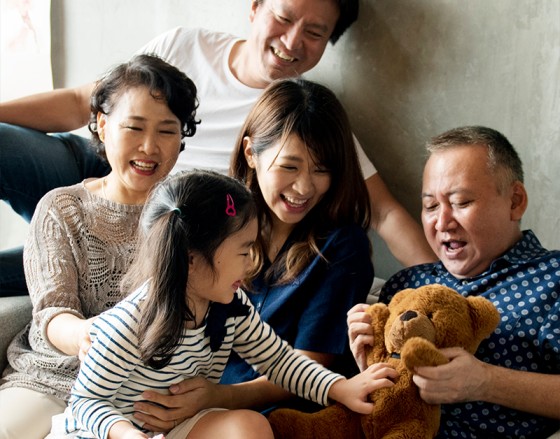
Citizenship can influence the long-term opportunities available to future generations. Children of Singapore citizens may have access to pathways and benefits that support long-term development within Singapore.
These may include:
- Local educational opportunities
- Healthcare subsidies
- Easier integration into Singapore society
- Stronger long-term residency certainty
Families considering Singapore citizenship often evaluate the broader generational impact rather than only immediate benefits. Citizenship decisions may affect future educational planning, housing eligibility, and career pathways for children.
Long-term family integration is one reason why some permanent residents eventually apply for Singapore citizenship after several years of residence.
Frequently Asked Questions (FAQs)
How long does the Singapore citizenship approval process usually take?
The Singapore citizenship approval process varies depending on the applicant’s profile, supporting documents, and assessment complexity. Processing timelines may differ from case to case. Applicants are usually informed directly by the Immigration & Checkpoints Authority regarding updates or final decisions.
Can a permanent resident become a Singapore citizen?
Yes, eligible permanent residents may apply for Singapore citizenship if they meet the applicable criteria. The assessment may consider factors such as length of residence, family ties, employment history, economic contributions, and social integration within Singapore.
What are the main benefits of Singapore citizenship?
The benefits of Singapore citizenship may include access to public housing schemes, healthcare subsidies, education support, voting rights, and Singapore passport benefits. Citizens may also enjoy stronger long-term residency security and broader participation in Singapore’s national systems.
Are there responsibilities after becoming a Singapore citizen?
Yes, Singapore citizen responsibilities include complying with local laws, maintaining official records, participating responsibly in society, and fulfilling financial or civic obligations. Eligible male citizens may also need to fulfil National Service obligations Singapore citizen requirements.
Do Singapore citizens pay taxes differently from permanent residents?
Singapore’s tax obligations are generally based on tax residency and income source rather than citizenship alone. However, Singapore citizens are expected to comply fully with local tax regulations and CPF contribution requirements where applicable.
Is National Service compulsory for all Singapore citizens?
National Service obligations mainly apply to eligible male citizens and certain second-generation permanent residents. The specific obligations depend on age, gender, and legal status. Official guidance should be reviewed for the most updated requirements.
What happens after citizenship approval?
After approval, applicants usually complete registration formalities and receive citizenship documentation. They may then apply for a Singapore passport, update personal records, and begin accessing citizen-specific schemes and services.
Can citizenship improve housing opportunities in Singapore?
Singapore citizens generally have broader access to public housing schemes and grants compared to non-citizens. Housing eligibility depends on various conditions including marital status, family structure, and housing policies at the time of application.
Building a Long-Term Future in Singapore
Singapore citizenship provides more than immigration status alone. It affects housing access, healthcare support, educational opportunities, civic participation, and long-term family planning. Citizenship also introduces responsibilities that form part of Singapore’s legal and social framework.
For many individuals and families, becoming a Singapore citizen represents a long-term commitment to living, contributing, and building a future in Singapore. Understanding both the benefits and responsibilities helps applicants make informed decisions about their citizenship journey.
Individuals seeking guidance on how to become a Singapore citizen or understanding the Singapore citizenship approval process, contact Majestic Immigration for further information regarding Singapore citizenship applications and eligibility assessment.