
Many individuals choose to live in Singapore for a multitude of reasons. Of these options, Singapore permanent residence and citizenship are two distinct legal statuses that define an individual’s rights, obligations, and long-term position in Singapore. Permanent residence allows foreign nationals to live and work in Singapore indefinitely under certain conditions, while citizenship grants full legal membership with complete rights and responsibilities. Understanding these differences is essential when making informed decisions about long-term settlement, particularly when considering eligibility, obligations, and future benefits.
Introduction to PR and Citizenship in Singapore
Singapore permanent residence refers to a status granted to foreign nationals who intend to reside in Singapore on a long-term basis without holding a temporary work pass. Citizenship, by contrast, represents full legal integration into Singaporean society and confers the highest level of rights and privileges.
Permanent residents are permitted to work, live, and access certain social benefits, but they remain citizens of another country. Citizens are recognised as nationals of Singapore, with rights such as voting and holding a Singapore passport. This distinction becomes increasingly relevant when planning for long-term residence, employment stability, and family life.
Key Differences in Rights and Obligations
The key differences between Singapore permanent residence and citizenship are defined by legal rights, civic duties, and access to national privileges. These differences influence both daily life and long-term opportunities.
The table below summarises the core distinctions:
| Aspect | Permanent Resident (PR) | Citizen |
| Legal Status | Long-term resident | Full national |
| Employment | Free to work without a work pass | Same as PR |
| Voting Rights | Not allowed | Allowed |
| Passport | Foreign passport | Singapore passport |
| National Service | Applicable (for some male PRs) | Mandatory (for male citizens) |
| Government Benefits | Limited access | Full access |
| Housing Options | Restricted access to HDB schemes | Full eligibility |
| Residency Status | Renewable | Permanent |
Permanent residents must maintain a valid Re-Entry Permit (REP) to retain their status, while citizens do not need to renew their residency.
National Service Requirements
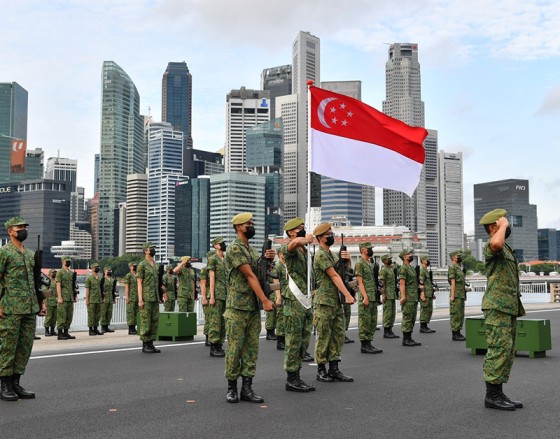
National Service is a legal obligation in Singapore that applies to male citizens and certain categories of male permanent residents. It involves mandatory service in the armed forces, police, or civil defence.
For permanent residents, National Service obligations generally apply to those who obtained PR status at a young age, particularly through family sponsorship. Male citizens are required to serve full-time National Service and may also be called up for reservist duties.
The key distinctions are outlined below:
- Male citizens are required to serve National Service unless officially exempted
- Male permanent residents may be required to serve depending on how PR status was obtained
- Failure to fulfil obligations can affect immigration status and future applications
Understanding these obligations is essential when evaluating singapore PR vs citizenship, especially for families with male children.
Voting Rights and Passport Benefits
Voting rights and passport privileges are exclusive to Singapore citizens. Permanent residents do not have the legal right to vote or participate in elections.
Citizens benefit from holding a Singapore passport, which provides strong global mobility. This includes visa-free or visa-on-arrival access to many countries, facilitating travel and international opportunities.
The advantages of citizenship in this area include:
- Participation in national elections and referendums
- Access to a globally recognised passport
- Eligibility for public office and civic roles
Permanent residents, while enjoying stability in Singapore, do not receive these political and travel-related privileges.
Renewal vs Permanence
Singapore permanent residence is not entirely permanent, as it requires periodic renewal through a Re-Entry Permit. Citizenship, in contrast, is permanent and does not require renewal under normal circumstances.
The Re-Entry Permit allows permanent residents to return to Singapore after travelling abroad. It is typically issued for five years and must be renewed based on factors such as employment and contributions to the country.
Key considerations include:
- PR status depends on maintaining a valid Re-Entry Permit
- Renewal is assessed based on economic and social ties
- Citizenship does not require renewal or reapplication
This distinction is important for individuals who travel frequently or maintain international commitments.
Tax Implications and Financial Considerations
Tax obligations in Singapore are primarily determined by tax residency rather than citizenship status. Both permanent residents and citizens are considered tax residents if they meet the relevant criteria.
However, financial considerations differ when comparing Singapore citizenship vs PR benefits, particularly in relation to housing, subsidies, and long-term financial planning.
The differences can be summarised as follows:
- Citizens have broader access to housing grants and government subsidies
- Permanent residents may face restrictions or higher costs in public schemes
- Both groups are subject to Singapore’s progressive income tax structure
From a financial perspective, citizenship provides wider access to national benefits, while permanent residence offers a stable but more limited framework.
When to Transition from PR to Citizenship
Transitioning from Singapore permanent residence to citizenship is a strategic decision based on personal, professional, and family considerations. It is typically pursued by individuals who intend to remain in Singapore on a long-term basis.
Eligibility for Singapore citizenship depends on factors such as employment stability, family ties, and duration of residence. Applicants are also expected to demonstrate integration into Singapore society.
Common indicators that support a transition include:
- Long-term employment and career development in Singapore
- Establishment of family ties, such as marriage or children
- A desire for full access to national rights and benefits
The decision to convert PR to citizenship should be made with careful consideration of both advantages and responsibilities, including National Service obligations and the requirement to renounce previous citizenship where applicable.
Frequently Asked Questions (FAQs)
What is the main difference between Singapore PR and citizenship?
The main difference lies in legal status and rights. Permanent residents can live and work in Singapore but do not have voting rights or a Singapore passport. Citizens have full rights, including political participation and full access to national benefits.
Can permanent residents apply for Singapore citizenship?
Yes, permanent residents can apply for citizenship if they meet eligibility criteria such as stable employment, duration of residence, and integration into Singapore society. Applications are subject to approval by the authorities.
Do permanent residents need to renew their status?
Permanent residents must maintain a valid Re-Entry Permit to retain their status when travelling. This permit must be renewed periodically based on their continued ties to Singapore.
Are tax rates different for PRs and citizens?
Tax rates are generally the same for both groups if they qualify as tax residents. The main differences lie in access to subsidies, housing benefits, and government schemes rather than taxation itself.
Is National Service required for PR holders?
National Service may apply to male permanent residents depending on how they obtained PR status. Male citizens are required to serve as part of their legal obligations.
Secure Your Future in Singapore
Singapore permanent residence and citizenship serve different roles within the country’s immigration framework. Permanent residence provides long-term stability and flexibility, while citizenship offers full rights, permanence, and broader access to national benefits.
The decision between these two options depends on individual priorities, including long-term residence plans, family considerations, and level of commitment to Singapore. Consult today to evaluate eligibility, requirements, or the transition process.