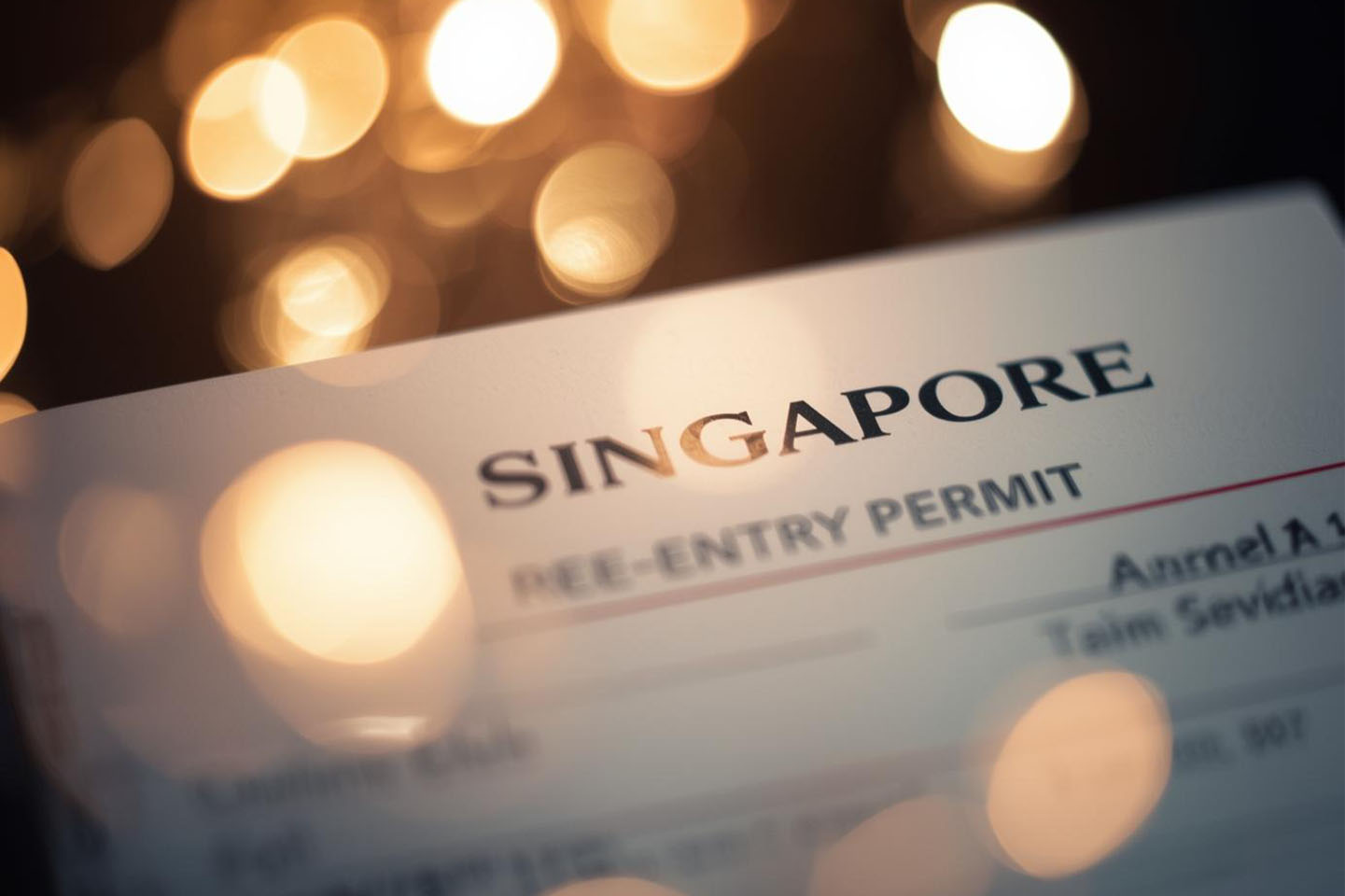
A major policy shift is coming for Singapore Permanent Residents. Starting December 1, 2025, anyone overseas without a valid re-entry permit will have 180 days to apply before their PR status is revoked. This change, announced by the Ministry of Home Affairs, affects thousands who live, work, or study abroad while maintaining a Singapore PR.
Why the Change Matters
Permanent residency in Singapore grants long-term security and access to benefits such as housing, education, and healthcare. However, PR status is tied to maintaining an active re-entry permit when leaving the country. This permit acts as a safeguard, allowing PRs to return and continue enjoying their rights.
Previously, a PR who left Singapore without a valid permit lost their status immediately. ICA occasionally reinstated PRs who missed deadlines for legitimate reasons, such as illness or emergencies, but the process was uncertain and inconsistent. The new rule introduces a standardized 180-day window, removing ambiguity about when PR status is officially lost.
This amendment aligns with the 2023 Immigration (Amendment) Act, part of Singapore’s ongoing efforts to tighten border regulations and streamline administrative clarity.
How the 180-Day Rule Works
The countdown begins the moment a PR is outside Singapore without a valid re-entry permit. From that date, they have exactly 180 days to apply for renewal or a new permit. If their application is approved within this timeframe, their PR status remains intact.
Those who miss the deadline will automatically lose their permanent residency on the 181st day. There will be no reinstatement option. They may reapply for PR later, but the process starts from scratch.
If an application is submitted within 180 days but gets rejected, the PR status ends the day after the rejection notice. On the other hand, if the application is pending, the individual’s PR remains valid until ICA issues a decision.
The new regulation applies retroactively to those already abroad without valid permits on December 1, 2025. Their 180-day countdown will start that same day, giving them until late May 2026 to act.
Immediate Implications for PRs Abroad
Singapore PRs currently living overseas for work, family, or studies should check their re-entry permit validity right away. Those whose permits have already expired or will expire soon should plan to renew before December 1.
The change eliminates the leniency ICA once extended. Flexibility for missed deadlines—such as medical emergencies or administrative oversight—will no longer exist. Once the 180 days pass, the system automatically removes PR status, regardless of reason or intent.
It’s a reminder for PRs to keep digital records of expiration dates and apply early. ICA’s e-services allow renewals up to three months before expiry, making it easy to avoid disruption.
Entering Singapore Without a Valid Permit
PRs abroad without a valid re-entry permit will still be allowed entry during the 180-day grace period. They can return through immigration checkpoints if they meet ICA’s usual requirements. Instead of using their expired permit, they’ll receive a single-entry pass, valid only for that return trip.
This single-entry document is temporary. Once back in Singapore, the individual must immediately apply for a proper re-entry permit if they intend to leave again. Ignoring this step risks eventual loss of status after the 180-day lapse.
Key Dates and Scenarios
For permanent residents, the key timelines under the new rule depend on when their re-entry permit expires. If a PR’s permit expired before December 1, 2025, such as on October 15, 2025, and they remain abroad, their 180-day countdown begins on December 1. This gives them until May 30, 2026, to apply for renewal. Meanwhile, if the permit expires after December 1, like on January 15, 2026, the countdown starts the following day, meaning the PR has until mid-July 2026 to submit their application.
In another case, if a PR applies on the 179th day and the application is rejected, their PR status ends right after the rejection date. However, if ICA takes longer than expected to process the application, the individual keeps their PR until a decision is issued. These timelines highlight ICA’s shift toward a structured, time-bound approach that places greater responsibility on PRs to maintain valid documentation at all times.
Why Singapore Implemented This Revision
The previous system created confusion. Technically, a PR’s status ended the moment their permit expired, yet reinstatements blurred the rules. This left gaps in data accuracy and raised administrative workload for ICA.
By formalizing 180 days, the government aims to simplify enforcement. It also encourages PRs to stay actively connected to Singapore rather than holding passive residency while living indefinitely abroad.
The reform follows years of steady PR policy tightening. Singapore continues to balance openness with national interest—ensuring PRs contribute socially and economically rather than treating status as a long-term travel convenience.
No More Reinstatements After Loss
One of the biggest changes is the end of reinstatements. Before this, ICA occasionally restored PR status for individuals who missed deadlines under “exceptional circumstances.” This case-by-case flexibility led to inconsistent outcomes.
Under the new framework, once PR status lapses, it’s permanent. There’s no appeal or special consideration. Anyone who loses PR must go through a new application process if eligible.
This means travel planning becomes more important than ever. PRs taking long overseas assignments or studies should check permit expiration dates well ahead of time. Those close to expiry should renew before departing or apply online while abroad through ICA’s digital portal.
Administrative Changes Ahead
The Immigration and Checkpoints Authority will update all entry permit conditions by December 1. Those who became PR before 1987 or were born locally before 2005 will also receive updated documentation to reflect the revised rules.
ICA plans to release these details publicly on its website, so PRs can review the exact terms attached to their status. The government encourages residents to familiarize themselves with these updates early to avoid confusion after implementation.
This proactive measure shows Singapore’s move toward consistent digital governance. It also reduces the number of special-case interpretations that often slowed immigration processing in the past.
Preparing for the Transition
Permanent residents can prepare now by reviewing their existing paperwork. Log in to ICA’s MyICA portal to confirm re-entry permit validity. Those nearing expiration should renew immediately. For those already abroad, submitting an online renewal application before December 1 keeps them compliant with current and future rules.
Employers sponsoring PR employees should also review internal travel policies. Overseas assignments or training trips could unintentionally expose staff to lapses if HR doesn’t track permit expiry dates. Simple digital reminders can prevent costly administrative consequences.
This upcoming enforcement also impacts family planning. PR dependents abroad for education or caregiving must maintain active permits. Losing PR status could affect future citizenship eligibility and access to CPF-linked benefits.
Impact on Families and Long-Term Residents
Many Singapore PR families live across borders due to work assignments or education. Under the new rule, a missed re-entry permit renewal can affect the entire household. Parents working overseas while their children study in Singapore must now monitor every family member’s permit status closely. Losing PR means starting from zero, including reapplying and rebuilding eligibility history.
Singapore’s immigration system values commitment to the country. The 180-day grace period is meant as a buffer, not an invitation to delay action. PRs who maintain active links through CPF contributions, property ownership, or local employment will have smoother renewals compared to those who live abroad for long stretches without activity.
Staying Compliant and Organized
Proactive planning helps avoid last-minute stress. Keeping a digital record of all family members’ permit expiration dates prevents unintentional lapses. Submitting a renewal application early—before travel or assignment—remains the safest path.
For those already overseas, the ICA e-services portal allows online submissions. Still, the process can feel complicated for applicants balancing work or family abroad. They must track supporting documents, pay renewal fees, and meet ICA’s review timelines. Missing small details can result in rejection, which now immediately ends PR status under the new rule.
How Majestic Immigration Singapore Can Help
At Majestic Immigration Singapore, we simplify the process for clients managing travel or relocation schedules. Our team reviews every detail before submission, helping permanent residents prepare renewal applications accurately and on time. We understand ICA’s evolving policies and guide each client on how to align their travel plans with PR compliance.
We also assist PRs who have already missed renewal deadlines but are still within the 180 period. Our consultants walk clients through every document and step needed to avoid unintentional lapses. This includes reviewing employment records, address updates, and dependent status—factors ICA often checks during evaluation.
We often support families with multiple PR holders, coordinating timelines and documentation for everyone. This makes it easier for households managing children’s education overseas or corporate relocations.
Looking Ahead for PR Holders
Singapore’s new re-entry permit rule emphasizes long-term responsibility. Maintaining accurate documents, updating ICA records, and renewing early are now part of being a responsible PR. With no reinstatement option, careful tracking becomes more important than ever.
At Majestic Immigration Singapore, our goal is to make every PR application or renewal smooth and stress-free. We focus on compliance, accuracy, and clear communication with our clients.
Contact us today to discuss your re-entry permit renewal or PR application strategy before the 180-day window closes.